
If you write like a heartbeat, you’ll bore people to death.
Pulling together a workshop for a comms team recently, I was thinking about cadence and rhythm.
I went straight to Nancy Duarte and her idea of “sparklines”, where she analysed great speeches and visually mapped their emotional contours.
This is from Martin Luther King Jr's "I Have a Dream" speech.
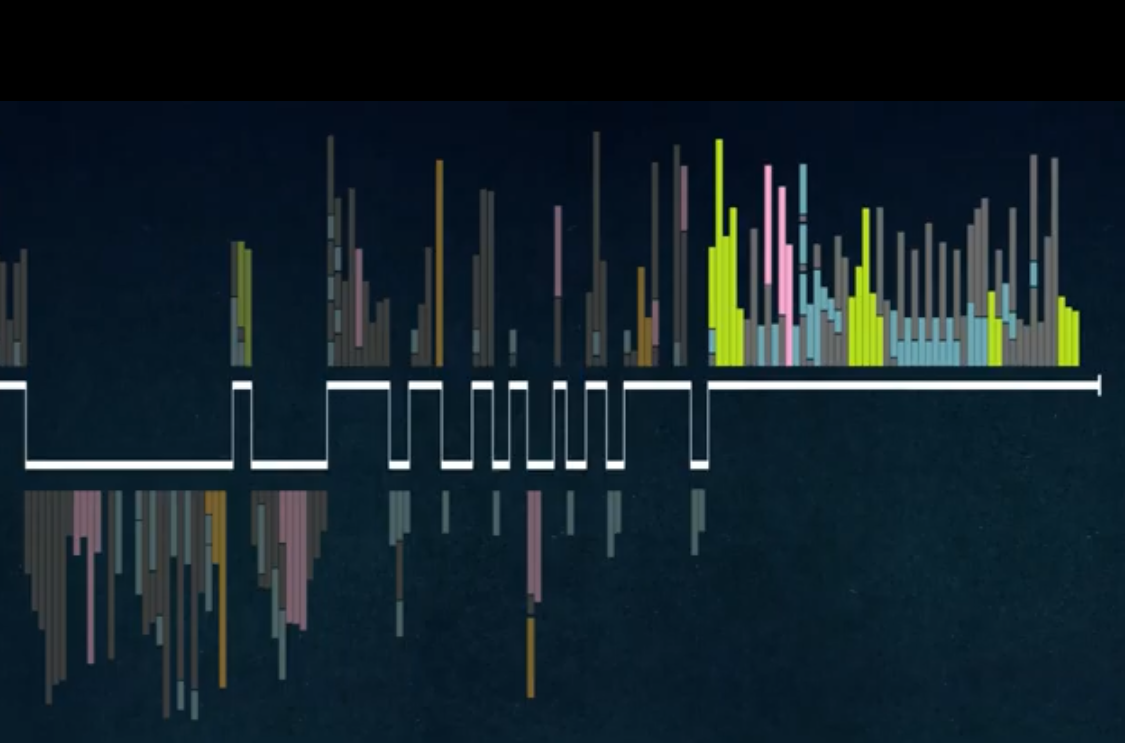
Ref: Nancy Duarte, "Resonate"
At a glance, you notice variation in emotion and pacing, as well as the contrast between what is and what can be.
That contrast is what keeps people engaged.
News articles do something different.
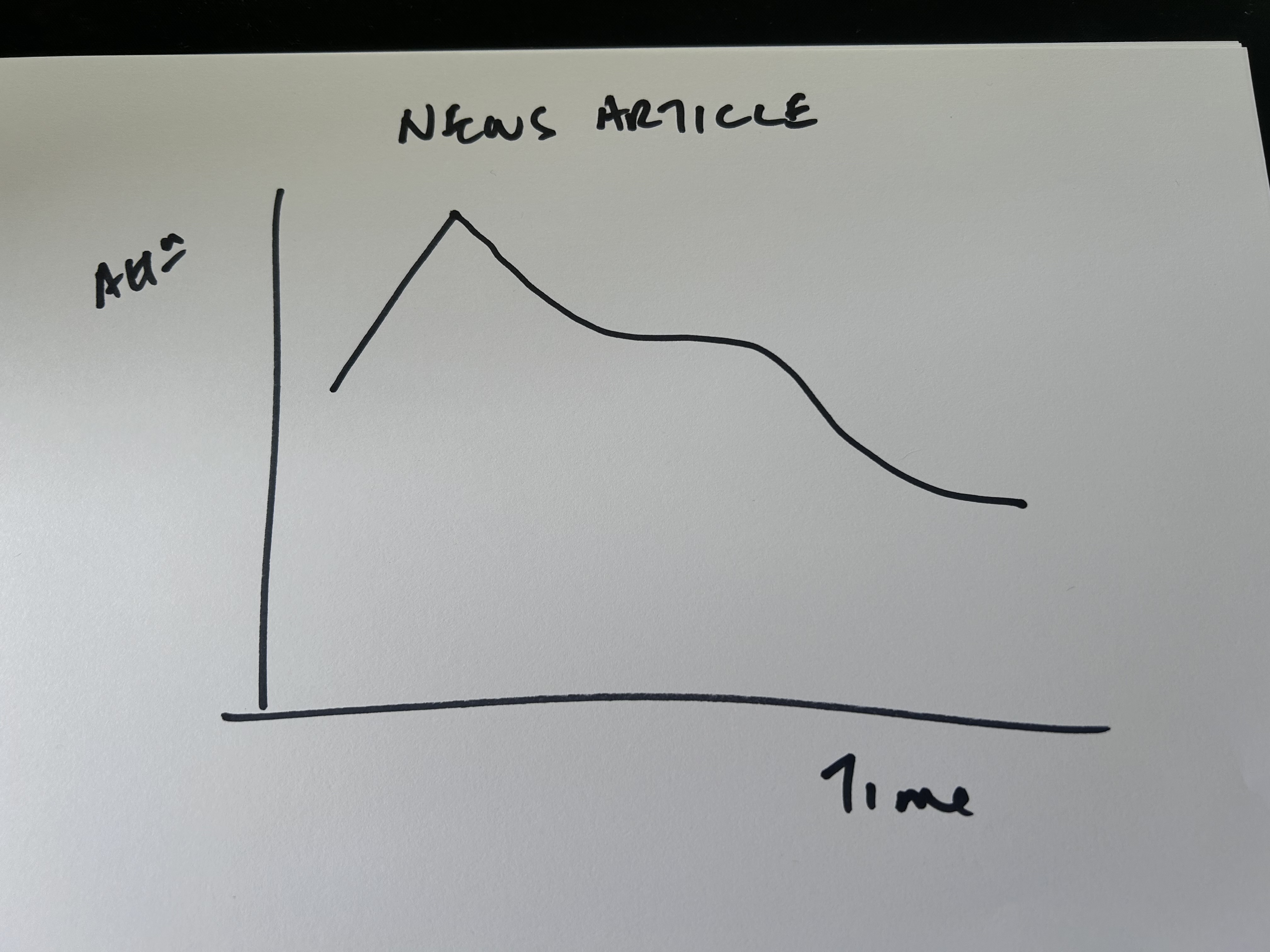
They open with the juiciest morsel to hook attention. If the reader stops there, the job is done.
Novels take yet another path.
It’s not just the opening, it’s the cliffhangers.
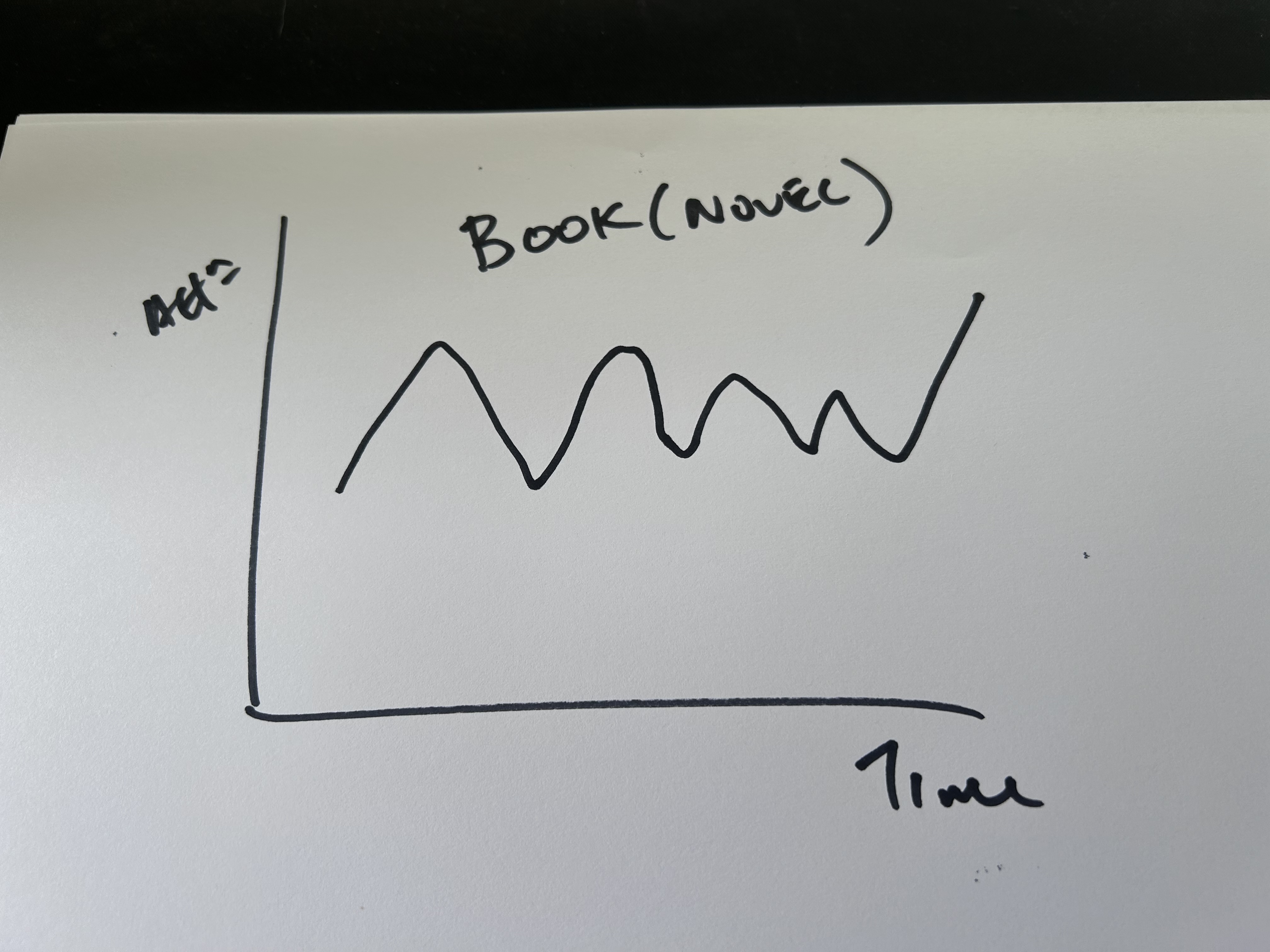
Tension and release, over and over, pulling you further into the book, chapter by chapter.
Then there’s most business communication.
Emails, letters, presentations.
They tend to be as predictable – and forgettable – as a heartbeat.
Because unless something’s wrong, you don’t notice your heartbeat.
If you want an audience’s attention, you need variation.
Before you create your next communication, ask yourself:
What shape do I want to create in their mind?
- A news article – front-loaded for skimmers?
- A novel – cycling between tension and release?
- Or a flatline – because you want to be ignored?

🌟 If you found this interesting, let me know! Buy me a virtual coffee ☕ or forward this email ↗️ to someone who also might like it. Your support means I can keep sharing ideas about behavioural science for free.
🧠 Learn the science of Influencing Action
Hey, are we connected yet?


