
Camped at Berri in South Australia, by the banks of the Murray River, I stopped to marvel at signposts showing how high the flood levels had been in 1956 and 2022.
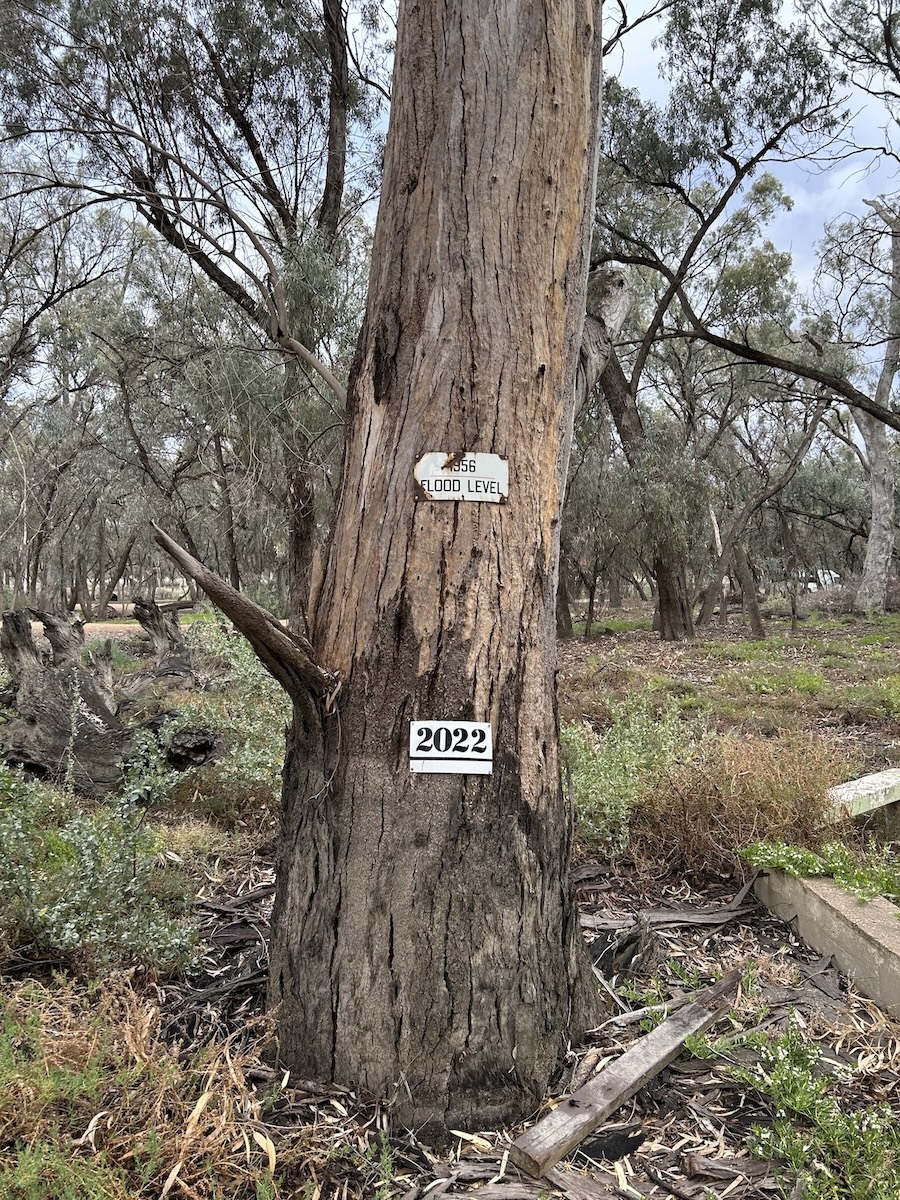
But then it struck me: these markers were pinned to a magnificent gum tree.
A magnificent, living gum tree.
So every year, as the gum continues to grow, the markers get higher and higher.
In business, we tend to fetishise measurement.
We herald the objectivity of metrics and recite “what gets measured gets managed” as doctrine.
If it’s a number, we believe it must be true.
But numbers can and do tell a story, and we often focus on the top line while ignoring the denominator.
Much like the flood markers on a growing gum tree, this is denominator neglect: failing to account for the base against which the number is measured.
For example, consider two marketing campaigns:
-
Campaign A: 50% conversion (50 conversions out of 100 visitors)
-
Campaign B: 20% conversion (200 conversions out of 1,000 visitors)
At first glance, Campaign A looks better. But in absolute terms, Campaign B delivered four times more conversions. Focusing only on percentages ignores the denominator – the total number of visitors.
So when you’re next evaluating performance, whether it’s a KPI, project ROI, or something else, remember two things:
-
Pay attention to what the denominator is.
-
Make sure that denominator is stable.

🌟 If you found this interesting, let me know! Buy me a virtual coffee ☕ or forward this email ↗️ to someone who also might like it. Your occasional support means I can keep sharing ideas about behavioural science for free.
🧠 Learn the science of Influencing Action
📈 Be shown exactly what to do to get better results for your small business
Hey, are we connected yet?


