
The intuitive way to pluck this duck from the bottom of the vase is to reach in and grab it. (Definitely better if you watch this demonstration.)
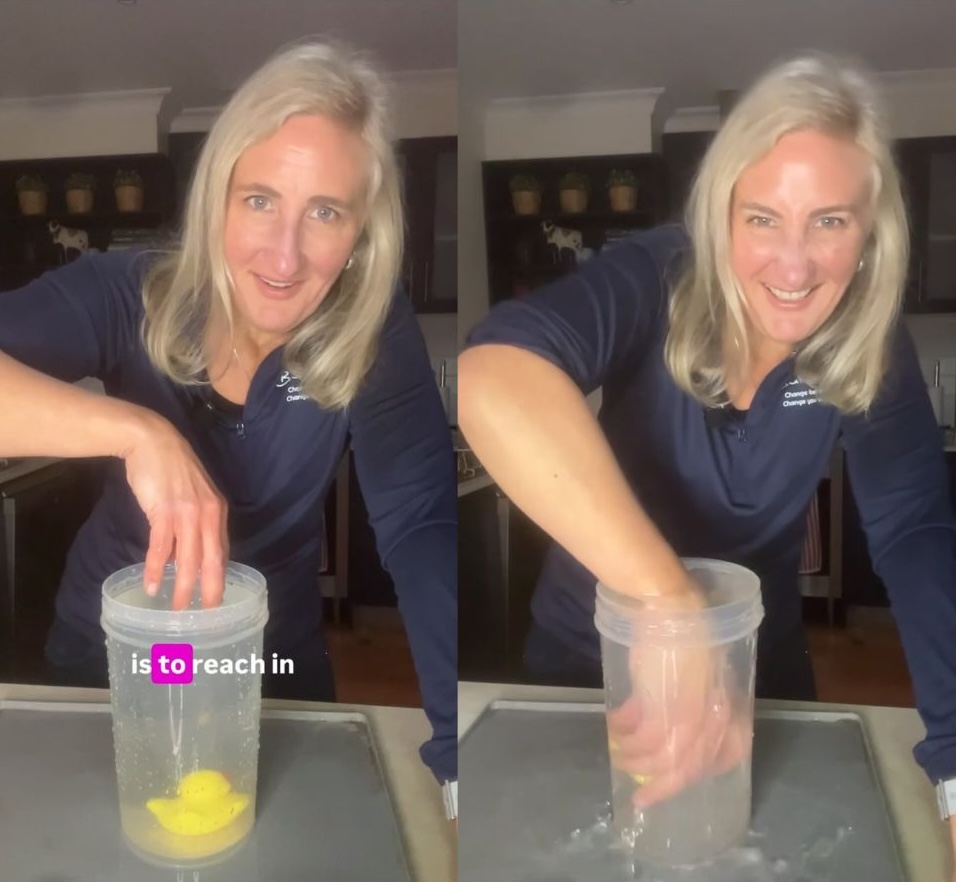
But what if the task was to save the duck without spilling any water.
What would you do then?
When we approach behaviour change, we often treat it like grabbing the duck.
We tackle it directly. We tell people what to do. Explain why it’s important. Incentivise them with a combination of carrots and sticks.
That can work, but it can also be messy.
Instead, what if we used the environment to do the work?
When you spin the water, the duck rises on its own. No grabbing. No spilling.
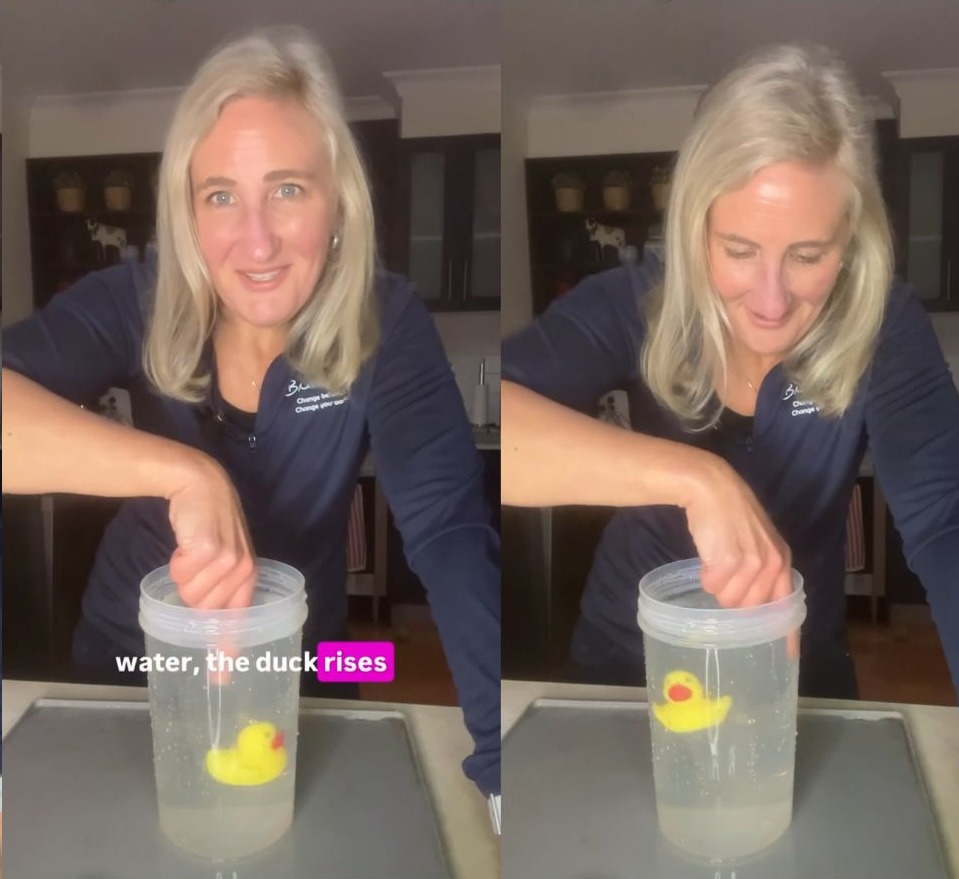
That's what good behaviour design looks like — you don't push people toward change.
You create the conditions where change becomes the path of least resistance.
The duck comes to you.
When it comes to behaviour change, more duck, less pluck.
Watch me save the duck here.

🌟 If you found this interesting, let me know! Buy me a virtual coffee ☕ or forward this email ↗️ to someone who also might like it. Your support means I can keep sharing ideas about behavioural science for free.
💪 Find out where your team can do better (influencing diagnostic)
📈 Take your team to the next level of influence (team development)
🧠 Learn the science of Influencing Action (online course)
Hey, are we connected yet?


