

Don't be annoyed. Be effective.
Use behavioural science to influence business outcomes.
All Posts
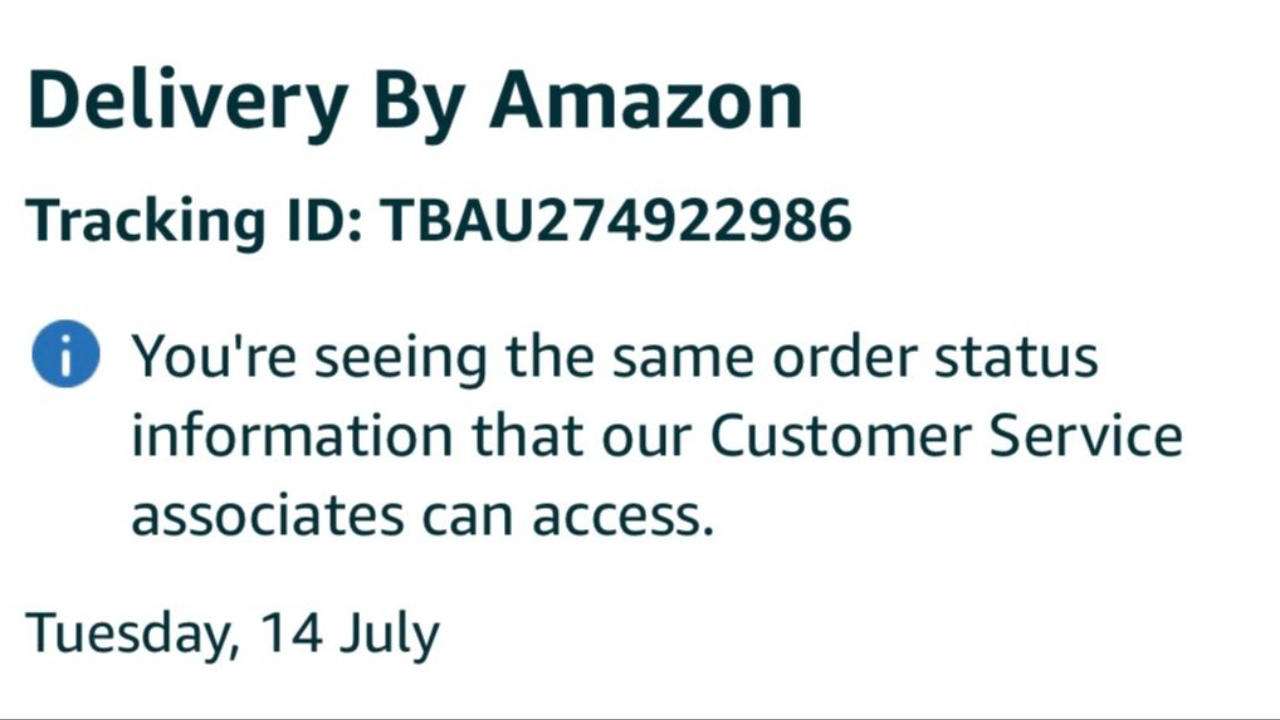
Seemingly innocuous
I could spend hours talking about Amazon as a behavioural case study.
The more you look at their site, the more you realise their...

The Apple Test
The other week I wrote about feeling icky about influence. People feel reluctant to say they’re influencing someone because it can be misconstrued as...

How's this for a sign-up?
Most businesses with an online presence try to get our email address.
And most do it poorly.
It is usually something like: “Join our...
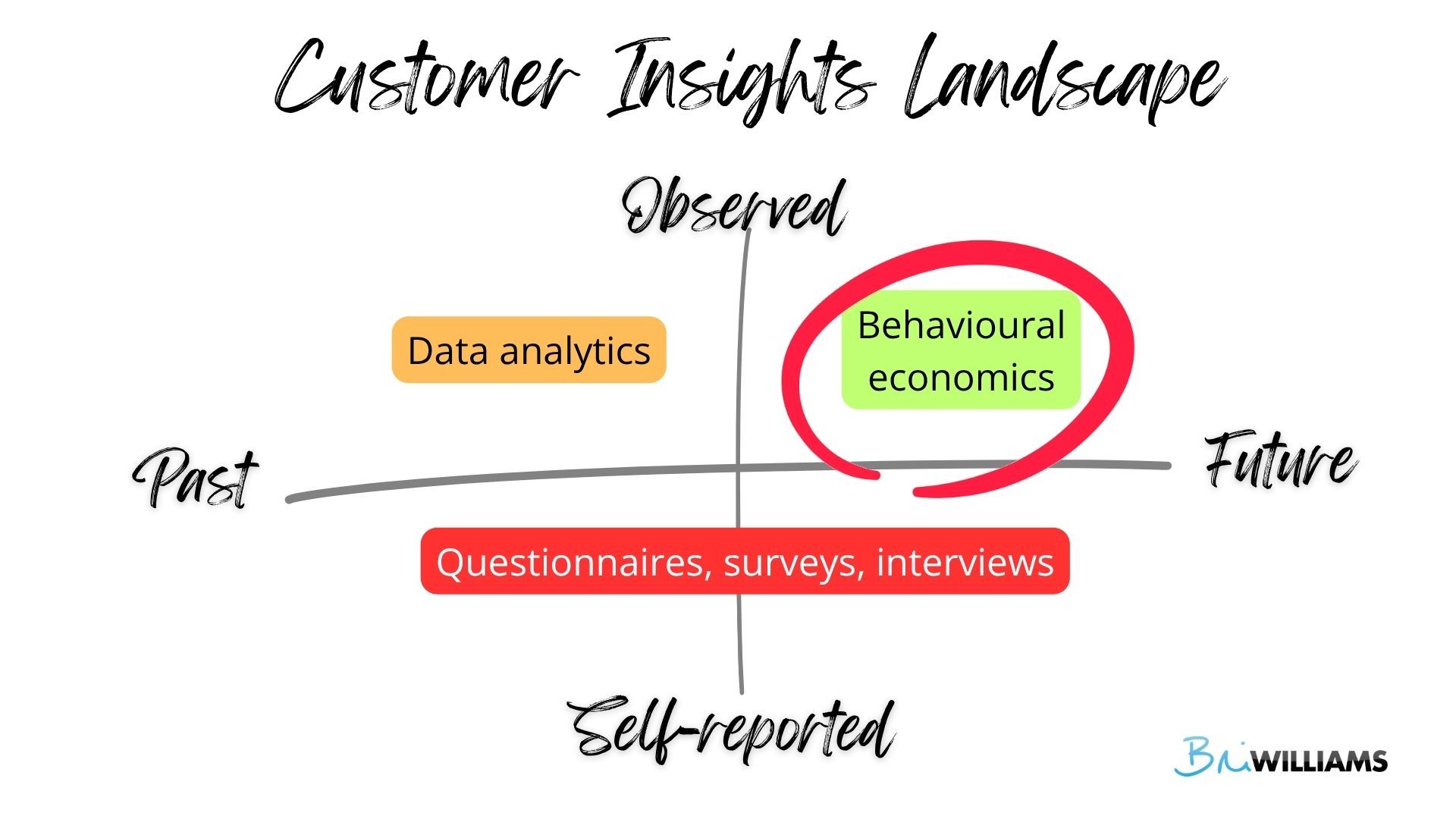
I didn't have an answer
It’s one of the most embarrassing business meetings of my consulting career.
I was invited by a former colleague to come and speak...
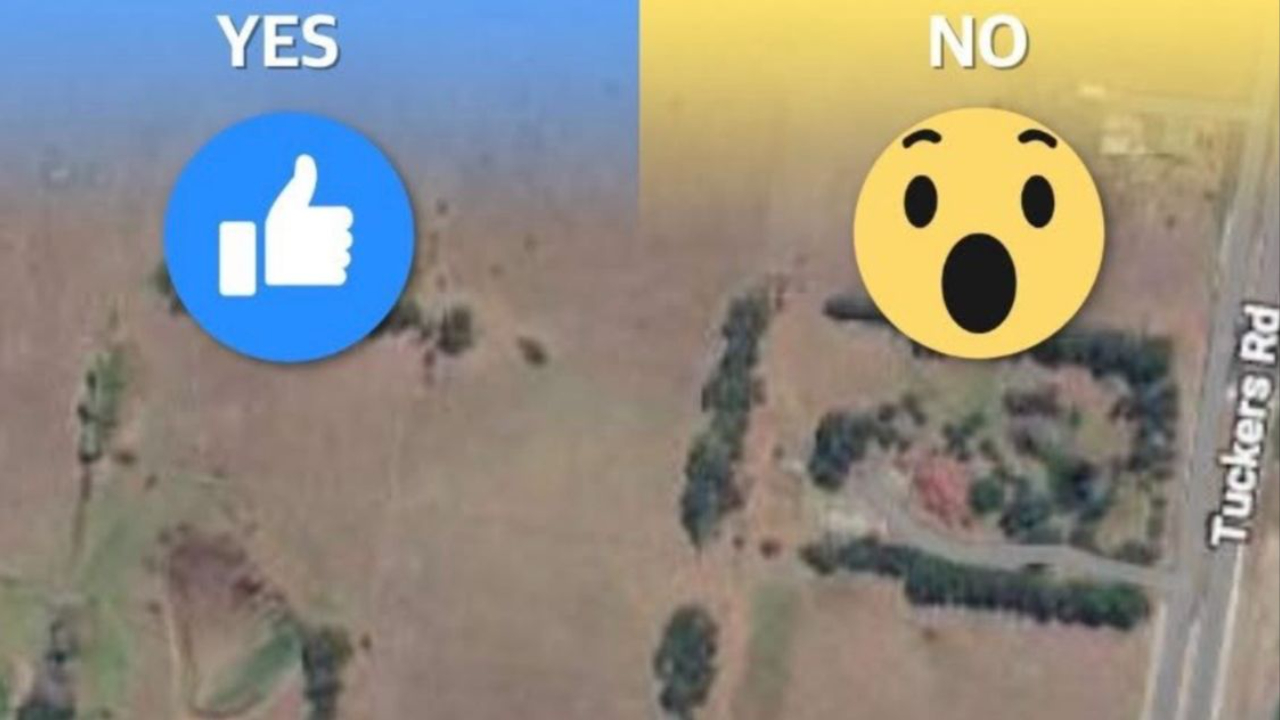
Distorted polling
Every so often a business runs a poll on their social media.
To vote, people are told to click an emoji.
In this example,...

The ick about influence
I’ve spent the last couple of weeks on-boarding 20 people into their 6 month Influencing Action program.
I start our discussion by asking...
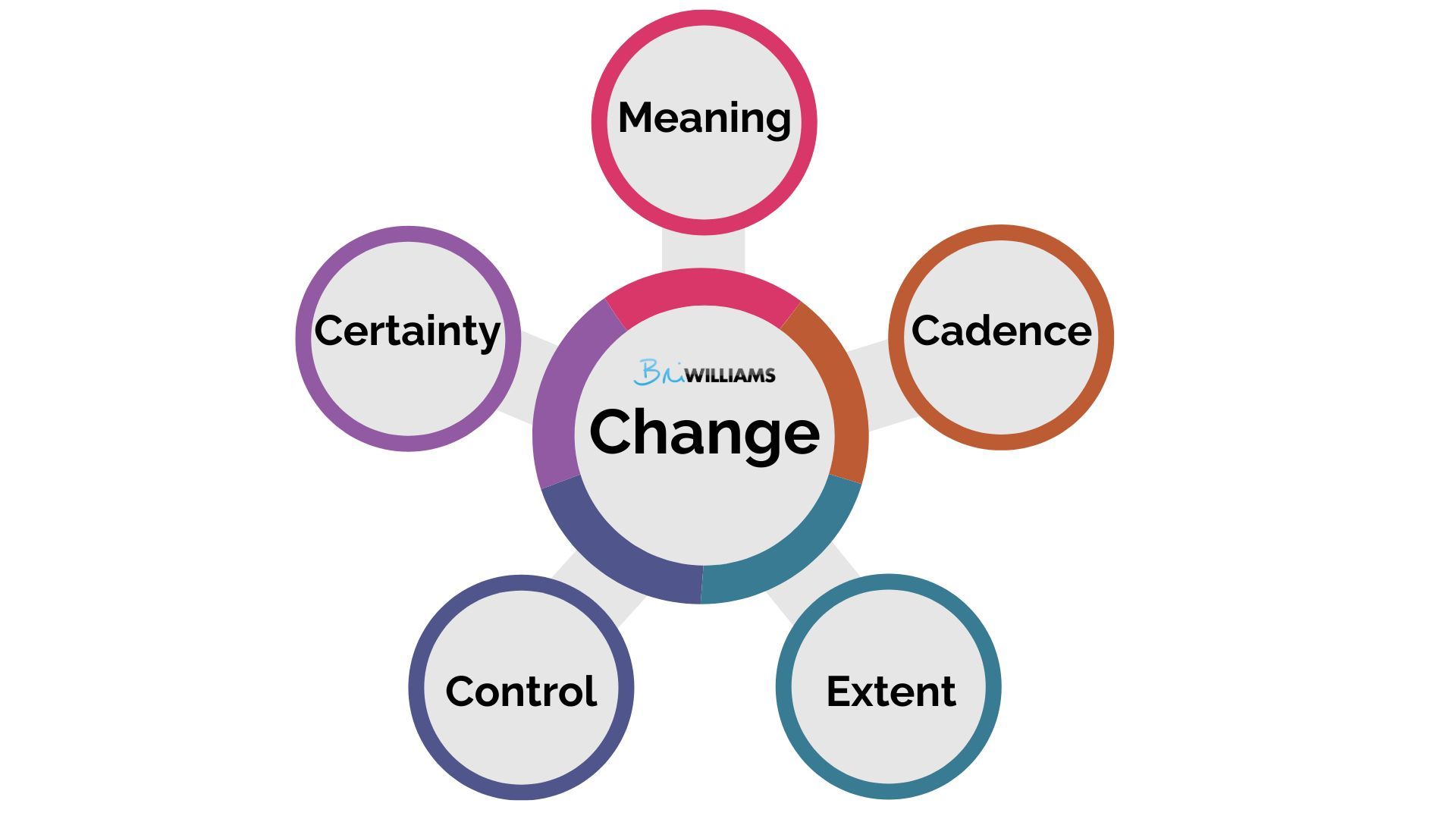
Energising or exhausting?
When is change energising? When is it exhausting?
That’s what I was invited on a podcast to speak about recently. It’s not something...
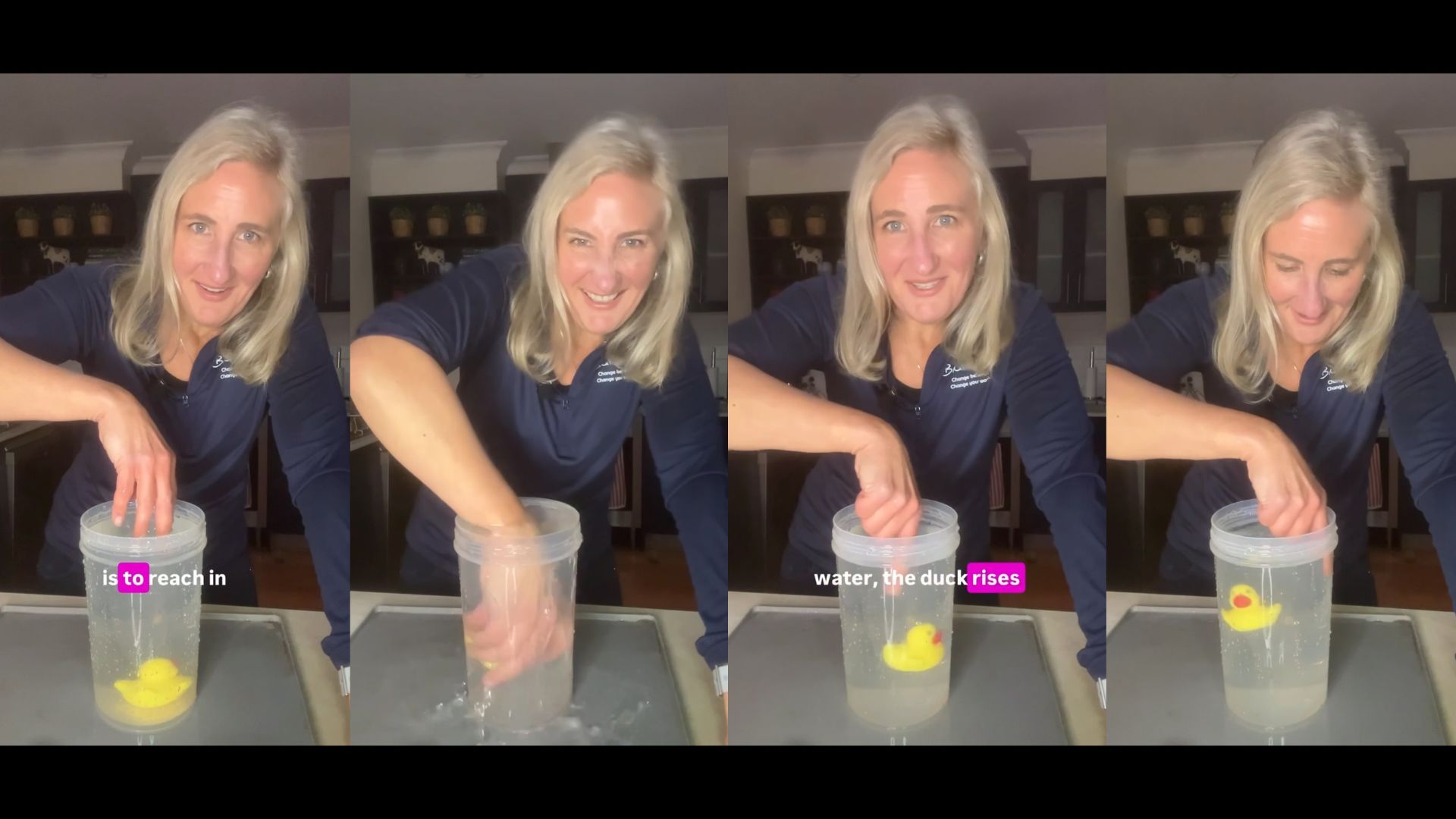
Pluck the duck
The intuitive way to pluck this duck from the bottom of the vase is to reach in and grab it. (Definitely better if you...
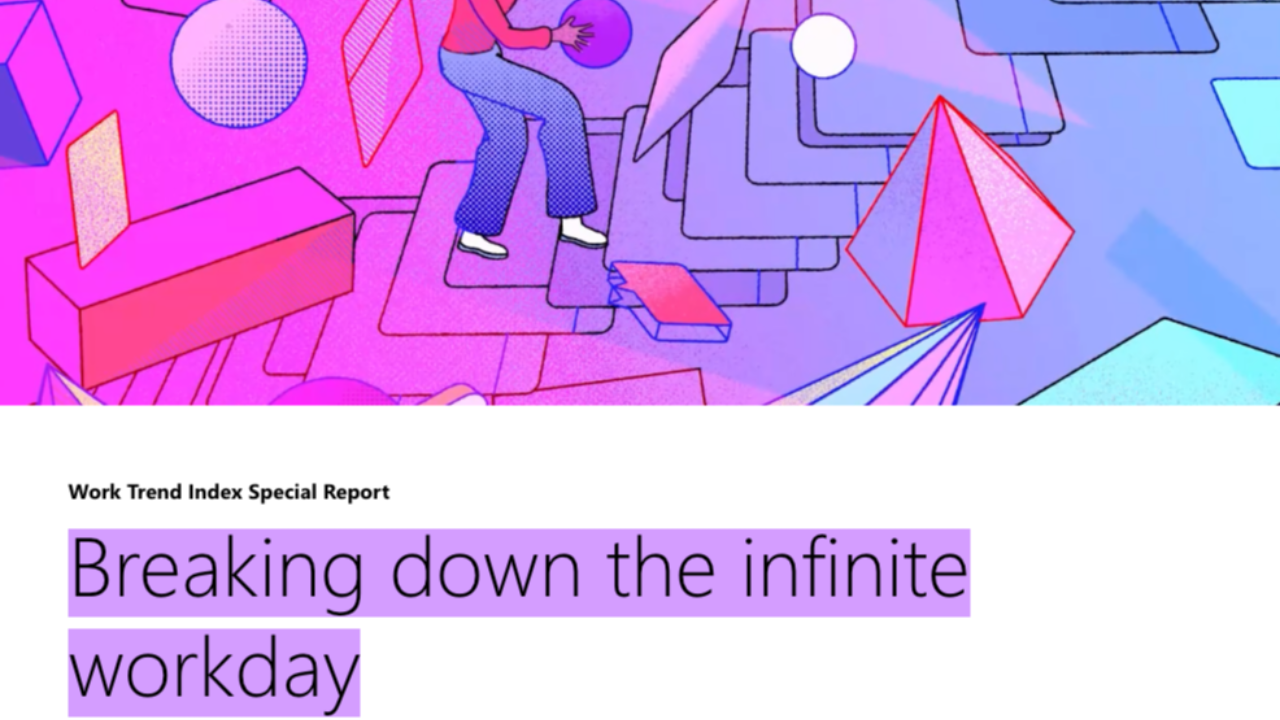
60 secs
Most emails are skimmed in less than 60 seconds.
Most office-based workers get nearly 300 messages a day.
They’re interrupted by some sort of...
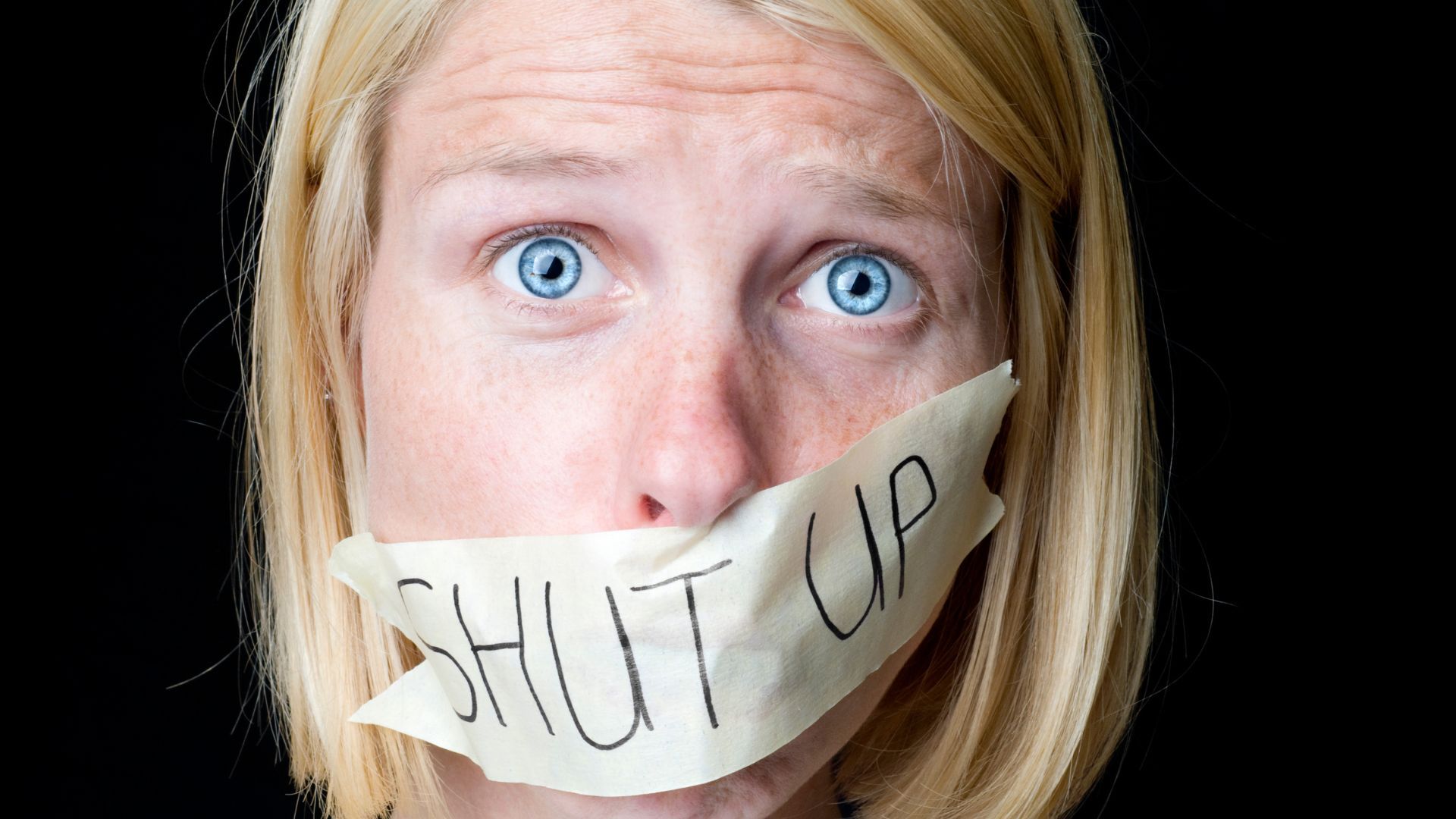
Un-convincing
When working on a behavioural challenge, the central question to keep in mind is:
How can I design this so I don’t have to...

Recap
It's been a busy few weeks, so I wanted to catch up on a few things that may have whizzed past you.
Most change...
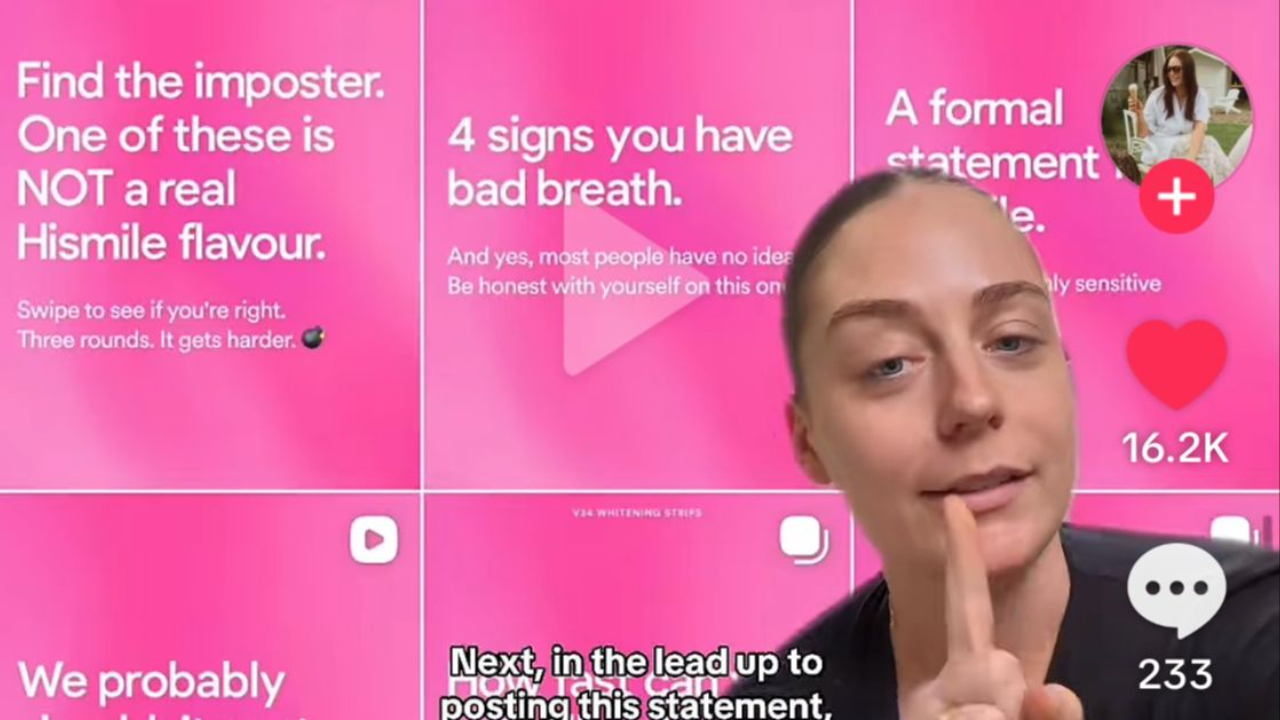
Reverse salience
When communicating with customers, it’s often a business’ aim to stand out.
Often, not always.
HiSmile, a toothpaste and dental care company, was...
